New Orleans is one of those cities people think they understand before they ever live here.
They picture the French Quarter, jazz music, old balconies, Mardi Gras, amazing food, and maybe a little bit of chaos. And yes — all of that is part of the story. But for people thinking about moving to New Orleans, the real question is not whether the city is interesting.
The real question is whether New Orleans can support the way you actually want to live.
That is where the city becomes much more compelling than many people expect. New Orleans is not just a tourist destination. It is a city of neighborhoods, routines, relationships, architecture, culture, and daily rhythms that can feel very different depending on where you land.
And that is the key.
Choosing the right neighborhood in New Orleans can make the city feel like one of the most rewarding places to live in the country. Choosing the wrong one can turn a dream move into frustration.
So here are ten reasons New Orleans is better than you think...
1. New Orleans Has Distinct Neighborhoods for Different Lifestyles
One of the biggest mistakes relocation buyers make is thinking of New Orleans as one lifestyle.
It is not.
Living Uptown is very different from living in Lakeview. The Marigny feels different from the Garden District. Metairie offers a different rhythm than the Bywater. Mandeville and Covington bring a completely different Northshore lifestyle while still keeping New Orleans within reach.
That is one of the city’s biggest advantages.
You are not just choosing a house. You are choosing a daily pattern.
Do you want to walk to cafes, restaurants, and shops? Do you want a quieter residential street with more space? Do you want historic architecture, creative energy, easier parking, school access, or a more suburban routine?
In New Orleans, those answers matter more than almost anywhere else.
The city rewards people who are honest about how they actually live — not just how they imagine themselves living on vacation.
2. The City Has a Strong Sense of Place
Some cities feel interchangeable.
New Orleans does not.
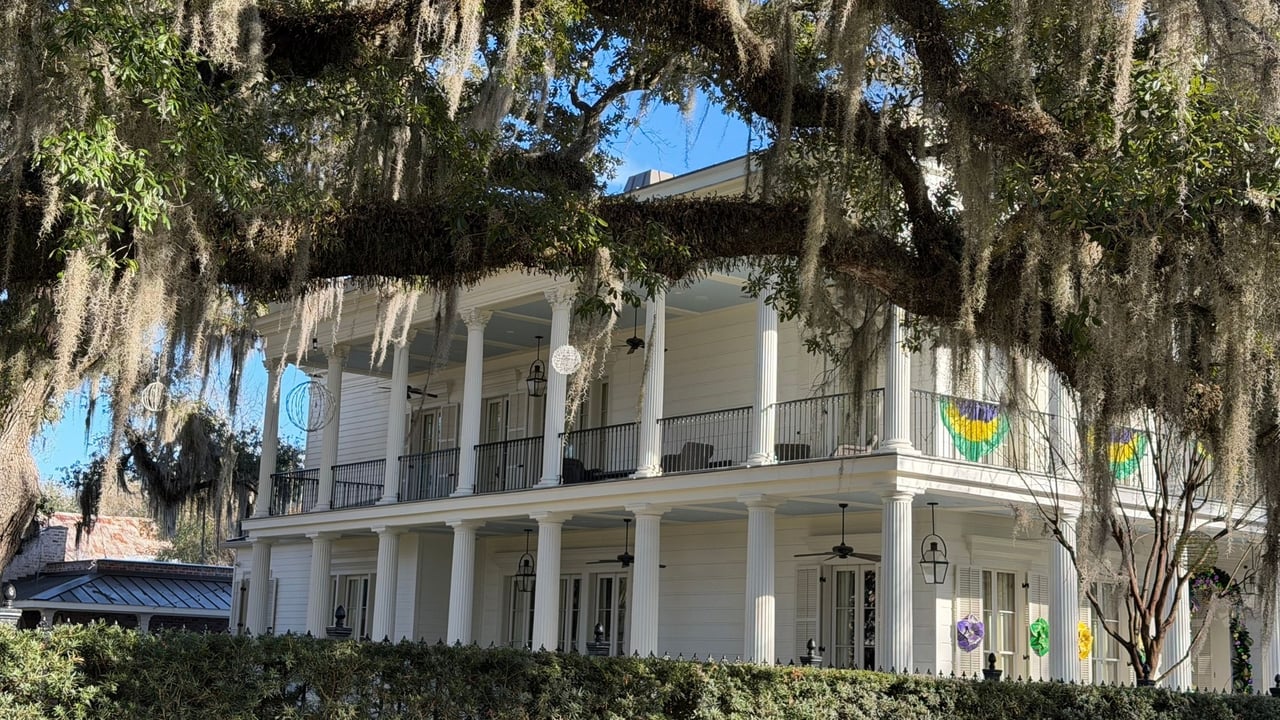
The architecture, the music, the food culture, the street life, the festivals, the old oak trees, the corner restaurants, the porches, the balconies, the neighborhood traditions — all of it creates a sense of place that cannot easily be copied.
That matters more than people realize.
When you move somewhere, you are not just buying square footage. You are buying into a feeling. You are choosing what your mornings, weekends, walks, dinners, and friendships might look like.
New Orleans gives people a stronger emotional connection to place than many newer, faster-growing cities. It is not polished in the same way. It is not always easy. But it has identity.
And for many relocation buyers, that identity is exactly what they are missing.
3. Daily Life Can Feel Less Urgent
Many people moving to New Orleans are coming from high-pressure markets.
They are used to traffic, speed, competition, stress, and the feeling that everyone is always “on.”
New Orleans has ambition, talent, business, and intellectual energy — but the pace is different.
Here, daily quality of life often matters as much as productivity. A morning coffee walk, a conversation with a neighbor, a long lunch, a porch visit, a neighborhood festival, or an evening walk under the oak trees is not considered wasted time.
It is part of the lifestyle.
That slower rhythm can be a huge adjustment. But for people who are burned out from faster cities, it can also be the exact reason New Orleans starts to feel like home.
4. The Architecture Has Character and Longevity
New Orleans is one of the best cities in America for people who love houses with soul.
You will find Creole cottages, shotgun doubles, raised basements, historic mansions, camelbacks, Victorian homes, old commercial buildings converted into condos, and streets where every property feels like it has a story.
That is very different from moving into a newer subdivision where most homes follow the same basic pattern.
Here, craftsmanship matters. Proportion matters. Details matter. Ceiling heights, shutters, courtyards, porches, millwork, balconies, and original floors all become part of the experience.
Of course, older homes require care. Buyers need to pay attention to maintenance, insurance, inspections, drainage, renovations, and neighborhood-specific rules.
But for people who value character, New Orleans offers something that newer markets often cannot: homes that feel deeply connected to the city around them.
5. Culture Is Part of Everyday Life
In many cities, culture is something you schedule.
You buy tickets. You drive somewhere. You attend an event.
In New Orleans, culture is often woven into the day.
You might hear music walking down the street. You might pass a second line. You might have a favorite po-boy shop, a neighborhood bakery, a corner bar, a local art market, or a restaurant where the staff starts to recognize you.
That is one of the biggest differences between visiting New Orleans and living here.
The culture is not just entertainment. It becomes background. It becomes habit. It becomes part of how people gather, celebrate, mourn, cook, decorate, dress, and spend time together.
For relocation buyers who want more than a house and a commute, that everyday cultural texture is a major reason to consider New Orleans.
6. Walkability Can Change Your Whole Routine
Not every part of New Orleans is walkable. That is important to say clearly.
But in the neighborhoods where walkability works, it can completely change your lifestyle.
Living near Magazine Street, Oak Street, Bayou St. John, the French Quarter, the Marigny, the Warehouse District, or certain pockets of Mid-City can give you access to cafes, restaurants, parks, music, shops, and daily errands without needing to drive every time.
That changes how you experience the city.
You see people more often. You notice small businesses. You become part of a pattern. Your neighborhood starts to feel like an extension of your home.
One mistake buyers sometimes make is focusing only on the house itself. They compare bedroom count, square footage, finishes, and price — but forget to ask what life will feel like outside the front door.
In New Orleans, what is outside the front door often matters just as much as what is inside.
7. New Orleans Rewards Individuality
New Orleans is not a city that demands everyone fit the same mold.
That is part of its charm.
Artists, musicians, entrepreneurs, chefs, writers, real estate investors, hospitality professionals, academics, retirees, remote workers, and people with non-traditional careers all find ways to belong here.
The city has a long history of making room for personal style, creative expression, and slightly unusual life paths.
For relocation buyers, that can be surprisingly important.
In some cities, people feel pressure to perform a certain version of success. In New Orleans, there is often more room to be interesting, eccentric, creative, social, quiet, traditional, unconventional — or some combination of all of those.
That does not mean every neighborhood feels the same socially. They do not. But the city as a whole tends to reward personality.
And for many people, that makes it easier to settle in.
8. Community Can Feel Personal
New Orleans is a city of relationships.
Neighborhood associations, block parties, school communities, Mardi Gras groups, restaurant regulars, local business owners, musicians, neighbors, and friends-of-friends all create a social fabric that can make the city feel smaller than it is.
That can be a major benefit for people relocating.
Moving to a new city can feel lonely at first. But in New Orleans, the neighborhood structure can shorten that adjustment period — especially if you choose a place that matches your personality.
The Marigny may connect people differently than the Garden District. Lakeview may feel different from Uptown. Mandeville may offer a different version of community than Mid-City.
But the principle is the same: neighborhood life matters.
New Orleans is not just about private living. It is about connection.
9. The Lifestyle Value Can Be Strong Compared to Larger Coastal Cities
For buyers coming from places like New York, Los Angeles, San Francisco, Boston, or parts of South Florida, New Orleans can offer a compelling lifestyle-to-price relationship.
That does not mean New Orleans is “cheap.” It is not that simple.
Insurance, maintenance, flood considerations, older housing stock, and renovation costs are real. Buyers need to understand those factors before making a decision.
But value is not only about square footage.
It is also about access to restaurants, music, history, architecture, walkability, community, outdoor living, cultural depth, and a home that feels distinctive.
For the right buyer, New Orleans can offer a lifestyle that would be much harder — and often much more expensive — to recreate in a larger coastal city.
That is where the value compounds.
10. New Orleans Encourages Long-Term Connection
Some cities feel like stepping stones.
New Orleans often feels like a chapter.
People come here for many reasons: work, family, retirement, investment, culture, food, architecture, or simply a desire for a more interesting daily life.
But the people who stay usually develop a deeper relationship with the city.
They find their favorite restaurants. Their walking routes. Their festival traditions. Their neighborhood people. Their preferred grocery stores. Their quiet streets. Their version of New Orleans.
That is the real opportunity.
New Orleans is not the right fit for everyone. It requires realistic expectations. It rewards patience. It asks you to understand neighborhoods at a more detailed level than many other cities.
But when the fit is right, it can offer something rare: a place that feels layered, personal, imperfect, beautiful, and deeply alive.
The Key: Choose the Neighborhood That Matches Your Real Life
The biggest takeaway is simple:
New Orleans offers real lifestyle value — but only if you choose the neighborhood that matches how you actually live.
Not the neighborhood that looked best in a vacation photo.
Not the one someone casually recommended.
Not the one that sounds most famous.
The right neighborhood depends on your daily routine, your tolerance for noise or quiet, your desire for walkability, your need for convenience, your budget, your home style, your commute, your social rhythm, and your long-term goals.
That is why relocating to New Orleans is not just a real estate decision.
It is a lifestyle decision.
And when you get that decision right, New Orleans can be much better than you think.